The Rise of Hobby Farms: How Small-Scale Farming Is Trending
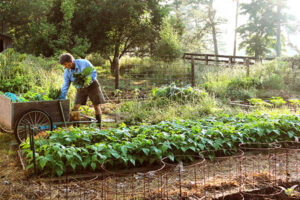
Hey there, picture this: It’s a crisp Saturday morning in early fall, and you’re knee-deep in sun-warmed soil, pulling carrots that still have that fresh earth scent clinging to them. Your kids are giggling as they chase a couple of feisty hens around the coop, and in the distance, a few goats bleat like they’re auditioning for a barnyard choir. No traffic jams, no endless emails—just the rhythm of seasons and the quiet satisfaction of growing your own world a little greener. That’s the pull of hobby farming, and trust me, after tending my own patch of heaven for over a decade, it’s not just a trend; it’s a lifeline back to something real.
I’ve been there, starting small with a backyard plot in suburban Ohio back in 2012, when “urban homesteading” was more buzzword than blueprint. What began as a weekend escape from my desk job ballooned into a full-blown hobby farm on five acres upstate—chickens, bees, a riot of veggies, and yes, even a stubborn goat named Rufus who once ate my favorite hat. It’s messy, it’s magical, and it’s exploding in popularity. According to recent USDA data, small farms under 10 acres now make up nearly 40% of all U.S. operations, up from 30% a decade ago, with hobby-scale setups leading the charge. Folks aren’t just escaping city grind; they’re chasing sustainability, health, and that elusive work-life harmony. In this piece, we’ll dig into why hobby farms are the 2025 must-do, from the joys of fresh eggs to the nitty-gritty of getting started. Grab a coffee—let’s wander through the fields together.
What Exactly Is a Hobby Farm?
At its heart, a hobby farm is your personal slice of rural bliss—think 1 to 50 acres where you tinker with crops, critters, or both, not for a paycheck but for the sheer joy of it. Unlike commercial giants churning out monocrops for supermarkets, these setups prioritize fun, family, and a bit of self-sufficiency. You might raise a handful of chickens for eggs that taste like sunshine or nurture heirloom tomatoes that make store-bought ones weep in shame.
It’s flexible by design: One person’s hobby farm could be a bee apiary buzzing with pollinators, another’s a micro-orchard heavy with apples in autumn. The key? It’s not your full-time gig. As the USDA notes, over 80% of these smallholdings generate under $10,000 annually, focusing instead on lifestyle perks like weekend harvests or teaching kids where food really comes from. For me, it started with a single raised bed; now it’s a patchwork of experiments that keeps life flavorful and grounded.
Why Hobby Farms Are Exploding Right Now
The numbers don’t lie—hobby farming isn’t a fad; it’s a full-on movement. A 2024 Lawn Love study ranked states like Kentucky and Virginia tops for backyard setups, citing ample space and low barriers to entry, with searches for “hobby farm ideas” spiking 45% year-over-year on Google. Post-pandemic wanderlust played a role, sure, but dig deeper: Climate anxiety, supply chain scares, and a craving for “farm-to-fork” authenticity are fueling the fire.
Young families and retirees alike are ditching concrete jungles for soil-stained hands, drawn by the promise of healthier eats and mental resets. In my neck of the woods, local co-ops report a 30% uptick in small-plot inquiries since 2022. It’s not just nostalgia; it’s smart rebellion against a world that’s increasingly disconnected from its roots. And with tools like affordable container farms and online seed swaps, starting feels less like a leap and more like a stroll.
The Sweet Rewards: Benefits That Keep You Hooked
Hobby farming isn’t all sweat and calluses—it’s a treasure trove of upsides that sneak up on you. First off, that fresh-from-the-ground produce? It’s a game-changer for your plate and your peace of mind. Studies from the Journal of Agricultural and Food Chemistry show organic small-scale yields pack up to 69% more antioxidants, turning meals into medicine without the grocery bill shock.
Beyond the belly, it’s a stress-buster extraordinaire. Tending a plot or scratching a chicken’s back drops cortisol like a stone in a pond—I swear, my blood pressure reads like a zen master’s after a morning mucking stalls. Environmentally, these mini-farms are MVPs: They boost biodiversity, cut food miles (hello, lower carbon footprint), and even sequester carbon better than big ag sprawls, per IFAD reports. Plus, there’s the community vibe—swapping tips at the farmers’ market feels like joining a secret society of dirt-loving optimists.
Health and Wellness Wins
Ever notice how a basket of just-picked berries hits different? Hobby farming turns eating into an event, packing your diet with nutrient-dense goodies that fight inflammation and amp up joy. It’s exercise disguised as chores: Weeding works the core, hauling hay builds biceps, and the whole shebang slashes anxiety by 20-30%, according to mental health pros.
For families, it’s gold—kids learn resilience watching seeds sprout into sustenance, fostering empathy (and maybe a lifelong aversion to waste). My own crew? They’ve gone from picky eaters to proud pollinators, all because they helped plant those peas.
Economic Perks Without the Pressure
Sure, it’s not about riches, but hobby farms can pad the wallet lightly. Sell surplus eggs or honey at local stands—many clear $500-2,000 yearly on the side. Tax-wise, if you tip into “business” territory (per IRS hobby loss rules), deductibles like feed and fencing add up fast. It’s supplemental income that feels earned, not extracted.
Real-Life Tales: Stories from the Dirt
Nothing sells a dream like a good yarn, right? Take Sarah from Virginia, who traded her corporate cubicle for a 3-acre plot in 2020. “It started with therapy—dirt therapy,” she laughs. Now, her micro-farm yields enough lavender and eggs to supply three markets weekly, netting $8,000 last year while cutting her grocery bill in half. Or consider the Thompsons in Kentucky, top-ranked for hobby havens: Their goat herd turned a backyard hobby into community cheese nights, blending fun with faint profit.
My story? Rufus the goat taught me more about boundaries than any self-help book (he headbutts fences like a furry philosopher). But seriously, these tales—from urban escapees to empty-nesters—show hobby farming’s magic: It’s forgiving, flexible, and profoundly connective. As one Reddit homesteader put it, “It’s not about perfection; it’s about progress, one wonky carrot at a time.”
Navigating the Rough Patches: Challenges and How to Laugh Them Off
Okay, full disclosure: Hobby farming has its grumpy days—like when the deer raid your kale or the rain turns your path into a slip-n-slide. Time commitment? It’s sneaky; what starts as “just an hour” stretches into weekends. And costs? Seeds, tools, fencing—initial outlay can hit $1,000-5,000 easy.
Weather whims and critter chaos add spice (or sabotage), but here’s the humor: My first compost pile attracted raccoons that partied like it was Vegas. Lesson learned? Roll with the ridiculous. Arm yourself with row covers and a good playlist—suddenly, setbacks feel like plot twists in your farm rom-com.
Time and Effort Real Talk
Balancing a day job with dawn patrols? Tricky, but batch tasks: Prep beds on Sundays, harvest midweek. It’s meditative, not manic—embrace the slow burn.
Budget Bumps and Hidden Costs
Fancy that? Chickens love to “redesign” your yard (RIP, flowerbed). Start lean: Borrow tools from co-ops, thrift coops. Pro tip: Track expenses in a simple app—turns “oops” into “opportunity.”
Pros and Cons: A Quick Gut Check
| Aspect | Pros | Cons |
|---|---|---|
| Lifestyle | Deep nature connection, family bonding, stress relief | Demands consistent time, seasonal unpredictability |
| Health | Fresher foods, built-in exercise, mental clarity | Physical strain (backs don’t love bending forever) |
| Finances | Low-pressure side income, potential tax perks | Upfront costs for setup, variable yields |
| Environment | Boosts local biodiversity, reduces food waste | Learning curve for sustainable practices |
| Community | Farmers’ market friendships, skill-sharing | Isolation if rural (hello, long drives) |
Weighing these? It’s like choosing between cake and kale—both have merits, but the combo’s unbeatable.
Getting Your Hands Dirty: How to Launch Your Hobby Farm
Dreaming of your first furrow? Start smart: Assess your acre (or balcony) for sun, soil, and zoning—many suburbs greenlight coops now. Sketch a one-year plan: Chickens in spring, tomatoes in summer. Budget $500 for basics, source seeds from heirloom havens like Baker Creek.
Connect locally—extension offices offer free soil tests and workshops. For landless starters, community gardens or leased plots bridge the gap. Remember, it’s iterative: My inaugural crop? A sad squash vine. Year two? Bounty. Patience is your plow.
Step-by-Step Starter Guide
- Assess and Plan: Test soil pH (aim 6.0-7.0), map water access. Goal: Match crops to your climate—USDA zones are your bible.
- Choose Your Focus: Veggies for ease, bees for buzz (pun intended). Start with 3-5 items to avoid overwhelm.
- Build Basics: Fencing ($200/100ft), tools (see below), compost bin from pallets. Thrift or borrow to bootstrap.
- Plant and Tend: Succession sow for steady harvest. Mulch like mad to beat weeds.
- Harvest and Reflect: Journal wins/losses. Adjust for next round—farming’s a feedback loop.
Essential Tools: Gear Up Without Breaking the Bank
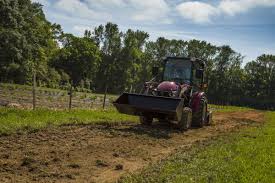
No need for a mega-tractor; hobby farms thrive on smart, scalable kit. From my shed to yours: A sturdy wheel hoe ($150) slices weeds like butter, while a Tilther ($300) preps beds sans backache. Add a flame weeder for no-till magic and a soil blocker for seed starts—$20 well spent.
- Hand Essentials: CobraHead weeder (curved for roots), pruners, gloves with nitrile grips.
- Power Picks: Battery drill for quick fences, backpack sprayer for organics.
- Livestock Musts: Portable coop, waterer, mineral feeder—under $400 total.
Shop Johnny’s Selected Seeds for vetted gear; rent big-ticket from co-ops to test-drive.
Best Tools for Hobby Farming: Top Picks Compared
| Tool | Best For | Price Range | Why It Rocks | Drawback |
|---|---|---|---|---|
| Wheel Hoe | Weeding rows | $200-400 | Saves hours, ergonomic | Learning curve on turns |
| Tilther | Bed prep | $250-350 | No-till friendly, drill-powered | Battery-dependent |
| Flame Weeder | Organic control | $100-200 | Kills weeds sans chemicals | Propane refills add up |
| Soil Blocker | Seed starting | $20-50 | Saves trays, boosts germination | Messy mix needed |
| Post Driver | Fencing | $50-100 | Bangs posts solo | Arm workout alert |
These aren’t luxuries—they’re efficiency engines. I skipped the hoe for a year; never again.
Funding Your Farm Dream: Grants and Resources
Bootstrapping? You’re not alone—USDA’s Beginning Farmer loans offer up to $300K at low rates for land or gear, no prior experience needed. For grants, tap EQIP for conservation cash (up to 75% cost-share on fencing) or Value-Added Producer Grants for market expansion ($75K+).
State gems? Missouri’s urban ag funds or New York’s infrastructure boosts. Nonprofits like American Farmland Trust dish $2K-10K for regen projects. Apply via Grants.gov—patience pays; my first EQIP check funded Rufus’s barn.
People Also Ask: Answering the Buzz
Pulled straight from Google’s “People Also Ask” for hobby farms—real queries, real answers.
What is the difference between a hobby farm and a homestead?
A hobby farm leans recreational—think casual crops or critters for fun and light sales—while a homestead pushes self-sufficiency, aiming to produce most of your food and goods off-grid. Overlap? Tons. Mine’s a hybrid: Chickens for eggs, but I still hit the store for quinoa.
How many acres do you need for a hobby farm?
As little as a quarter-acre for basics like bees or a veggie patch; 5-10 shines for livestock. Scale to your sweat equity—my five acres feel vast, but starters thrive on balconies with pots.
Is hobby farming profitable?
Rarely a goldmine, but yes for side hustles: Eggs fetch $4/dozen locally, honey $10/jar. Aim for break-even joy; IRS caps “hobby losses” at three of five years to dodge audits.
What animals are good for a hobby farm?
Chickens top the list—easy, egg-laying machines. Goats for milk/mow duty, bees for buzz-free honey. Ducks if you love quacks; avoid pigs unless you’re ready for Houdini-level escapes.
Can you make money on a hobby farm?
Absolutely, modestly: Farmers’ markets, CSAs, or agritourism like u-pick berries. One pal clears $3K/year on lavender wreaths. Key? Niche it—exotic herbs over everyday kale.
FAQ: Your Burning Questions, Answered
How do I know if hobby farming is right for me?
Test the waters: Volunteer at a local farm or start a windowsill herb garden. If the dirt calls you back, dive in. It’s right if you crave connection over convenience—my first muddy harvest hooked me for life.
What’s the biggest mistake new hobby farmers make?
Overreaching—buying too many animals or exotic seeds day one. Start small: One coop, three varieties. Scale as skills (and stamina) grow. Trust me, 20 chicks feel like 200 when you’re green.
Where can I find land for a hobby farm?
Scour LandWatch for affordable plots ($5K/acre in rural spots) or lease via FarmLink. Urban? Community Supported Agriculture shares or rooftop co-ops. Proximity to markets sweetens the deal.
Best beginner crops for small spaces?
Radishes (30 days to harvest), lettuce (cut-and-come-again), cherry tomatoes (prolific pots). They’re forgiving, fast, and forgiving of newbie slips—like my epic watering fail that still yielded salad.
How do I handle pests organically?
Companion planting (marigolds repel nematodes), neem oil sprays, or ladybugs as hired help. Diatomaceous earth for crawlers. Prevention beats cure—healthy soil is your best defense.
There you have it—the dirt on hobby farms, from my wellies to yours. It’s not always Instagram-perfect (Rufus’s latest fence demolition? Exhibit A), but in a world spinning too fast, it’s a grounding force. Whether you’re plotting your first bed or eyeing that fixer-upper acreage, remember: Every big harvest starts with one stubborn seed. What’s your first move? Drop a comment—let’s grow this conversation.